
Unleashing Hidden Talents for Personal Fulfillment
Everyone possesses unique talents meant to be shared with the world. The stories of Walt Disney and Cesar Millan illustrate how embracing…


Recent studies reveal that coffee drinking may offer significant health benefits, including a lower risk of premature death, type 2 diabetes, and certain cancers. However, caution is advised regarding heavy intake, which can increase the risk of lung cancer and exacerbate heart issues. Understanding these dynamics is crucial for informed consumption.

Men over 50 face increased risks of prostate-related diseases influenced by modern lifestyle choices. Factors such as stress, poor diet, and sedentary habits contribute significantly to conditions like benign prostatic hypertrophy and prostate cancer. However, maintaining an active lifestyle and incorporating certain herbs can promote prostate health and overall vitality.
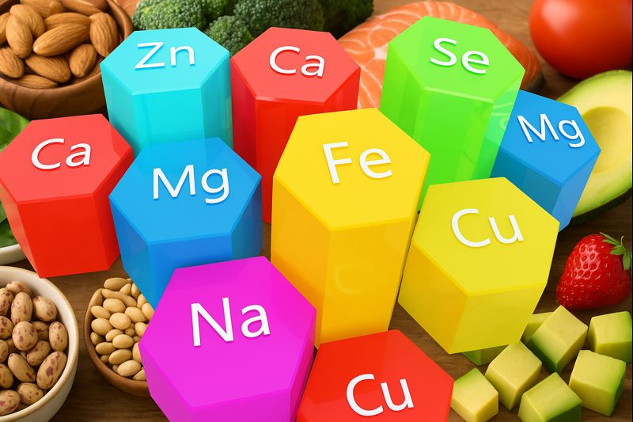
Minerals play a crucial role in maintaining the body's chemistry and supporting overall health. This article explores the historical insights of Dr. Julius Hensel and the significance of minerals in nutrition, particularly through juicing methods that enhance health and treat various ailments.

A comprehensive study reveals that severe calorie reduction can lower cardiovascular disease risk and improve insulin sensitivity, but it doesn't replicate the metabolic benefits seen in animals. Participants found it challenging to maintain a 25% calorie cut, achieving only a 12% reduction, yet showed significant health improvements, highlighting the complexity of calorie restriction in humans.
Research indicates that diet plays a crucial role in mental health, particularly in relation to depression. A Mediterranean diet has shown protective effects, while fast food consumption is linked to negative mood shifts. Understanding the relationship between what is eaten and emotional well-being can guide healthier choices for improved mood and overall health.

A new understanding of cavity formation reveals that diet plays a critical role in children's dental health. Contrary to traditional beliefs, snack foods high in simple carbohydrates are more harmful than sweet treats like dark chocolate. By making strategic dietary choices, parents can effectively prevent cavities without drastic changes to their children's meals.

Nutritional therapy emphasizes the connection between food and health, proposing that many ailments can be alleviated through dietary changes. This holistic approach not only addresses specific health issues but also promotes overall well-being. By understanding the role of nutrition, individuals can make informed choices that enhance their vitality and prevent illness.

Getting children to eat vegetables can be a daunting task for parents. Traditional methods like hiding veggies or offering rewards may have short-term benefits but often lead to undesirable outcomes. Instead, fostering a positive relationship with food and involving kids in meal preparation can create lasting healthy habits and preferences.

Recognizing the early warning signs of an eating disorder can be crucial for timely intervention. This article explores common behaviors that may indicate an eating disorder, the psychological patterns behind them, and how self-reflection can aid recovery. Understanding these signs can pave the way for healthier relationships with food and oneself.

Herbal medicine offers a profound journey of healing that requires commitment and time. By fostering a deep relationship with herbs, individuals can access their physical, psychological, and spiritual benefits. This article explores how to engage with herbs holistically, emphasizing the importance of consistency and the wisdom of ancient traditions.

This comprehensive guide explores essential minerals, their health benefits, symptoms of deficiencies, and natural food sources. From calcium and magnesium to zinc and selenium, understanding these nutrients helps in maintaining overall health and preventing various ailments. Learn how to incorporate them into your diet effectively.

You’re not weak for craving chips at 9 p.m. or ice cream after a long day. Ultra-processed foods are designed to hook your attention, light up your reward system, and slip into your routines until they feel like comfort, company, even relief. If you’ve tried to “just eat less” and felt defeated, you’re not broken—the system is. Here’s a kinder, science-grounded way to regain your footing, one doable choice at a time.

Your brain isn’t a mystery box. It’s a hungry neighbor tied to your liver by a short fence and a long memory. A new clinical study shows that trimming liver fat in just two weeks can also dial down brain chemicals linked to toxicity and inflammation. That’s not a diet ad. That’s a reminder: capacity rules. The body runs on parts, power, pathways—and plain food.

Defective imports from China pose significant risks to consumers in the United States, particularly concerning vegetables. Issues range from illegal pesticide use to harmful chemical treatments. Key vegetables like garlic, mushrooms, soybeans, taro, and corn have been linked to alarming production practices, raising concerns about food safety and health risks.

Picture a glass that promises connection, ease, or celebration. Alcohol can feel like a shortcut to softer edges—but your body keeps the full ledger. Even small amounts affect sleep, mood, blood sugar, and cancer risk; bigger amounts raise blood pressure, injury risk, and strain on your liver and relationships. This warm, nonjudgmental guide translates the science into everyday language and offers gentle, doable steps to protect your health—so you can choose with clear eyes and a kind heart, whether that means drinking less or not at all.

Open your spice drawer and think of it as a tiny wellness kit. The everyday herbs and spices you already cook with—turmeric, ginger, cinnamon, garlic, oregano, rosemary, cumin, and more—carry plant compounds that can gently support mood, metabolism, immunity, and digestion. Used in normal kitchen amounts, they add color and comfort to your meals while helping you nudge ultra-processed ingredients aside. Here’s a warm, practical guide to which ones to invite in daily, how to use them safely, and what to avoid so your body gets the benefits without the buzzkill.

Are you eating too little protein — or falling for marketing hype? Many families misunderstand how much protein they truly need. This article separates protein myths from reality, revealing how to recognize real deficiency, how needs shift with age and lifestyle, and why more isn’t always better. Learn how to balance quality and quantity for genuine health and energy.

Wild salmon and farmed salmon may look similar on your plate, but the differences run deep. From flavor and texture to nutrition, safety, and sustainability, each carries its own story. Choosing between them isn’t just about taste, it’s about your health and the planet’s future. Let’s break down the wild salmon vs. farmed salmon debate so you can make choices that align with your values.

Most people don’t realize their fridge storage habits may be shortening the life of their food and even risking food safety. From eggs and berries to herbs and leftovers, small mistakes can make a big difference. This article reveals the top fridge storage errors you might be making and shows you simple ways to keep your food fresh, safe, and delicious longer.

Protein intake is one of the most debated topics in nutrition. How much is enough, when should you eat it, and are plant proteins truly as good as animal sources? While protein fuels growth, repair, and energy balance, excess may strain the body. This article unpacks the myths and truths about protein intake and plant protein, offering clarity for a healthier, more balanced life.

Ginger is more than a flavorful spice, it’s a potent root with powerful effects on the body. While ginger benefits range from lowering blood pressure and cholesterol to easing digestion, ginger risks include side effects and drug interactions you can’t afford to ignore. Learn how to use ginger safely in root and powder form while maximizing its healing potential for heart health and overall well-being.

Proper hydration is more than just drinking water, it’s about fueling every cell in your body. Without it, dehydration signs sneak in: fatigue, headaches, mood swings, and even long-term health risks. This article unpacks why hydration matters, how to spot the warning signals, and simple ways to stay balanced. Hydration isn’t optional; it’s the foundation of your wellbeing.

Microdosing mushrooms has become a wellness trend promising creativity, focus, and emotional balance. Yet psilocybin risks, legal, medical, and psychological, raise serious questions. Science suggests some benefits may be real while others are placebo-driven. By understanding both sides, we can approach microdosing mushrooms with awareness, discernment, and respect for its potential and its dangers.