Unleashing Hidden Talents for Personal Fulfillment
Everyone possesses unique talents meant to be shared with the world. The stories of Walt Disney and Cesar Millan illustrate how embracing…


As drought-stricken regions like California face water restrictions, the traditional American lawn is under scrutiny. Despite the deep cultural ties to lush green lawns, alternatives such as xeriscaping and the Freedom Lawn concept emerge, promoting ecological balance while still honoring landscape aesthetics. A shift in landscape tastes is essential for sustainable living.
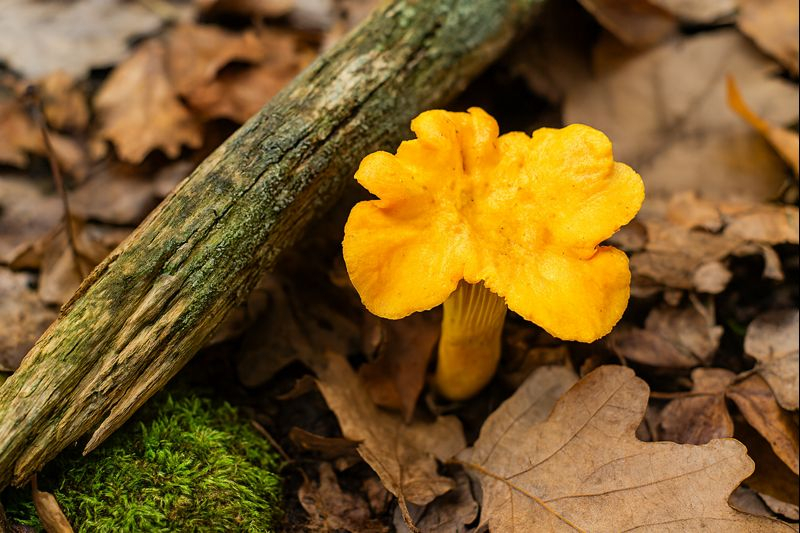
Foraging offers a unique way to connect with nature and discover edible plants in local environments. By observing plant patterns and understanding their growth conditions, foragers can enhance their knowledge and skills. This article explores the importance of local awareness, the interplay of plants, and practical tips for successful foraging.

Foraging offers a sustainable approach to food security by promoting biodiversity and reducing dependency on single food sources. By following principles like the Forager's Rule of Thirds, individuals can harvest responsibly while ensuring the vitality of ecosystems. This method not only secures food for the present but also safeguards resources for future generations.

Growing a significant portion of calories at home requires more than just tomatoes and lettuce. This article explores a variety of nutrient-dense plants, including buckwheat, sweet potatoes, and blueberries, that can enhance home gardens. Each plant offers unique benefits, from improving soil health to providing delicious, nutritious food year-round.

Protecting your garden from slugs and snails doesn’t have to mean harming the soil, wildlife, or your plants. With natural slug control and organic snail deterrent methods, you can create a thriving, chemical-free garden that supports biodiversity. Discover how small changes—like habitat tweaks, natural barriers, and predator allies—can protect your plants while maintaining harmony with nature’s balance.

Front yard gardens aren’t just about growing food, they’re about reclaiming our freedom, healing the planet, and transforming wasted lawns into vibrant, sustainable spaces. Yet many laws and HOA restrictions still forbid them. This article explores why front yard vegetable gardens matter, the hidden costs of grass, and how changing outdated rules can help us build healthier communities for the future.

Imagine stepping into your garden and hearing the soft flutter of wings, the rustle of tiny paws beneath the leaves, and the cheerful song of a wren perched nearby. This isn’t just a pleasant daydream, it’s something you can nurture right outside your door. Creating a garden that’s safe for birds, wildlife, and other critters isn’t about being perfect. It’s about becoming a partner in life’s intricate web. And the beautiful part? Every small effort you make has the power to ripple outward.

The healing power of trees is more than folklore—it’s a spiritual connection to nature that shapes identity and emotional resilience. From childhood oaks to sacred holly, Stephanie Rose Bird shares how trees serve as ancestral markers, emotional anchors, and healers across time and space. This story explores how nature’s wisdom helps us navigate grief, memory, and personal transformation.

Early spring brings a ‘hungry gap’ for bees – here’s how you can help...

What is dirt? There’s a whole wriggling world alive in the ground beneath our feet, as a soil scientist explains

When we are in right relationship with Plants and Earth, we naturally flow out of the consumer mind frame. We move into intimacy. We want to honor them and be of service to them.

A pristine garden can come with an environmental cost. The chemicals we use to kill weeds and bugs rely on fossil fuels, and can disrupt local wildlife.

Plants make this amazing, wonderful, fantastic planet livable. Among many gifts, they provide the oxygen that we need to breathe.

Gardening should be thought of as a public health need, one that could serve communities in future pandemics or disasters. We need to change the narrative of how urban gardening is framed and elevate it to a key strategy for both environmental and public health

New research shows how regenerative farming practices—soil-building techniques that minimize plowing, use cover crops, and plant diverse crops—affect the nutritional content of the food.

As an herbalist I have a very different view of weeds than the average gardener who can’t abide common garden weeds such as nettle, dandelion and plantain. These plants and many more of our garden weeds are nutritious and full of minerals and beneficial medicinal properties.

As an herbalist I have a very different view of weeds than the average gardener who can’t abide common garden weeds such as nettle, dandelion and plantain. These plants and many more of our garden weeds are nutritious and full of minerals and beneficial medicinal properties.

Researchers have developed a new patch that plants can “wear” to continuously monitors for diseases or other stresses, such as crop damage or extreme heat.

In building cities, we have created some of the harshest habitats on Earth — and then chosen to live in them.

Since we are part of nature, like the plants and the animal kingdom, we have the capacity for learning the subtle whispers of nature and communicating with the natural world that surrounds us. We each have the innate ability to perceive the language of nature...

Now that over 61 per cent of Canadians have received their first dose of the COVID-19 vaccine, we’re on our way to herd immunity. Unfortunately however, this trend could be at risk as a result of vaccine misinformation, which has made some people hesitant to get a vaccine.

Before humans invented fire, the only things that lit up the night were the moon, the stars and bioluminescent creatures – including fireflies.

Humanity has always had a rocky relationship with wasps. They are one of those insects that we love to hate. We value bees (which also sting) because they pollinate our crops and make honey